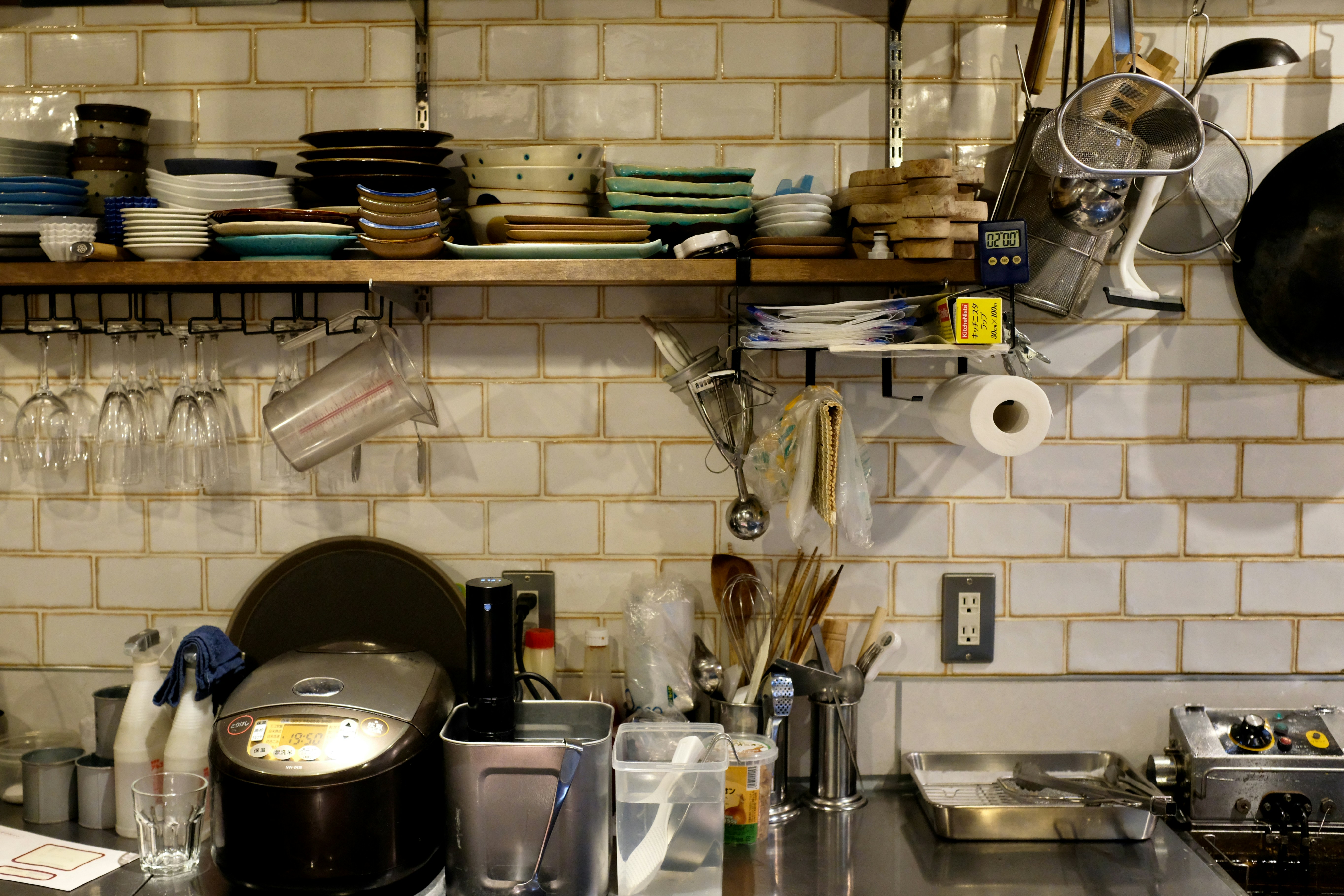
Understanding the Importance of Kitchen Organization
In any culinary environment, kitchen organization plays a vital role in fostering an enjoyable and efficient cooking experience. An organized kitchen minimizes stress, helping cooks to remain focused and calm even during busy meal preparations. When kitchen tools, appliances, and ingredients have designated places, it reduces the chaos often associated with cooking. This structural harmony not only enhances productivity but also allows cooks to enjoy the process of creating meals.
Furthermore, a well-organized kitchen saves precious time. By streamlining the cooking process, individuals can easily locate utensils, spices, and tools, all of which leads to a more efficient preparation routine. For instance, having essential ingredients within reach eliminates unnecessary interruptions such as searching through cluttered cabinets or drawers. This efficiency makes it easier to manage cooking durations and allows for the exploration of more complex recipes without the added stress of disarray.
Additionally, kitchen organization positively impacts cleanliness and accessibility. An orderly kitchen reduces the likelihood of spills and messes, making it easier to maintain a hygienic cooking space. By ensuring everything has its place, individuals are encouraged to follow proper cleaning protocols, as clutter often leads to overlooked messes. The accessibility provided by an organized kitchen is crucial for those who wish to venture into new culinary territories. When everything is neatly arranged, the prospect of trying new recipes or preparing healthy meals becomes less daunting and more inviting.
Ultimately, creating a well-structured kitchen environment enables families and individuals to engage with food more actively. Whether it is planning meals or cooking together, an organized kitchen encourages a sense of belonging and family bonding. The importance of kitchen organization extends far beyond mere aesthetics or efficiency; it cultivates a positive relationship with food and cooking.


Benefits of a Well-Organized Kitchen
A well-organized kitchen plays a crucial role in enhancing the efficiency of culinary activities. Primarily, it allows for streamlined meal preparation. When your kitchen is systematically arranged, necessary ingredients, utensils, and equipment are easy to locate, saving valuable time and energy during cooking. This efficiency can prove particularly beneficial when preparing meals for busy days or family gatherings.
Moreover, an organized kitchen contributes to reducing food waste. When ingredients are appropriately stored and categorized, it is easier to monitor what you have on hand. This clarity helps prevent the accidental purchase of duplicates and encourages the use of items before they expire, thereby fostering responsible consumption habits.
Access to all necessary ingredients is another significant advantage of an organized kitchen. When items are systematically placed — whether in cabinets, drawers, or pantry spaces — it enables cooks to visualize what is available. This accessibility not only simplifies the cooking process but also encourages the exploration of new recipes and culinary techniques, enhancing creativity in the kitchen.
In addition, a well-organized kitchen can lead to healthier eating habits. With nutritious foods clearly visible and within reach, individuals are more likely to choose these options over processed or unhealthy alternatives. This ease of access encourages the incorporation of fresh ingredients into everyday meals, ultimately promoting better lifestyle choices.
Lastly, having a tidy cooking environment can inspire spontaneity in the kitchen. Chefs of all levels will find that with an organized space, the willingness to experiment with new ingredients increases. Being aware of available products can trigger the creativity necessary to whip up unique combinations and dishes. Therefore, maintaining an organized kitchen not only benefits the cooking process but also enhances the culinary experience as a whole.
How to Get Started with Kitchen Organization
Organizing your kitchen can seem like a daunting task, but with a clear strategy, it can become a manageable and rewarding experience. The first step is to assess your current kitchen setup. Take a moment to evaluate your counters, cabinets, and drawers. Identify areas that are cluttered and overwhelming. Consider the frequency of use for each item, as well as their condition. This will help you determine what needs to stay, what can be discarded, and what should be stored away.
The next step is decluttering. Start by removing items from your countertops and cabinets. Group similar items together, such as pots with pots and utensils with utensils. This categorization allows you to see how much you truly have, and it can spark the realization of what items are not essential in your culinary space. Once you have decluttered, it’s time to make decisions on which items are indispensable in your kitchen routine.
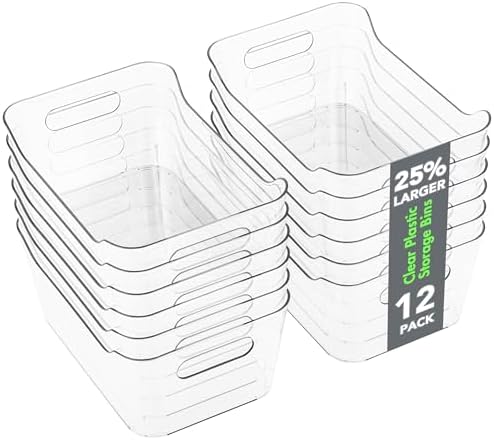
After decluttering, consider implementing practical storage solutions. Use clear containers to store small items, and label everything to make it easier to find what you need. This organizational strategy is effective not only for food items but also for kitchen tools. Stackable shelves or pull-out drawers are excellent for maximizing space in cupboards. If you are short on space, consider utilizing vertical space with wall-mounted racks or hooks.
To keep the process ongoing, establish a routine for reviewing kitchen items. Regularly assess what you use and what merely takes up space. There are numerous tools and resources available online that can help simplify this process, from organizational apps to DIY projects. With each step taken to organize your kitchen efficiently, you will pave the way for a more functional and enjoyable cooking environment.


Incorporating Meal Prepping into Your Organized Kitchen
Integrating meal prepping into a well-organized kitchen significantly enhances both the efficiency and enjoyment of cooking. An organized kitchen not only facilitates meal prepping by providing easy access to ingredients and tools but also creates an environment where culinary tasks can be accomplished quickly and with minimal disruption. To get started, first ensure that your kitchen is set up in a way that diminishes clutter and maximizes accessibility.
One effective technique for meal prepping is batch cooking. This involves preparing large quantities of staple foods—such as grains, proteins, and vegetables—that can be easily combined throughout the week in various meals. For instance, cooking a large pot of quinoa or roasting multiple trays of seasonal vegetables can save time considerably. Storing these items in labeled, clear containers allows for efficient meal assembly, enabling quick access without rummaging through cluttered cabinets.
To optimize your kitchen’s organization for meal prepping, implementing smart storage methods is crucial. Consider using stackable containers, which maximize space in both the refrigerator and pantry. Additionally, grouping similar ingredients together and designating specific areas for meal prep essentials—such as cutting boards, knives, and measuring cups—can foster a more systematic approach to cooking. Labeling containers with dates and meal names enhances transparency, ensuring you make the most of your prepared items before they spoil.
Incorporating a meal prep calendar can also streamline the entire process. By planning meals and shopping accordingly, you can minimize food waste and adapt your grocery purchases to what you actually need. Having a week’s worth of meals organized ensures healthier eating habits and saves precious time during busy weekdays. Through the integration of meal prepping with an organized kitchen, you can enjoy a vastly improved cooking experience, making it both more enjoyable and manageable over the long term.

